





Lighting has evolved far beyond its traditional purpose of simply illuminating a room. Today, it influences productivity, comfort, energy consumption, interior design, and even wellbeing. Whether designing a modern home, upgrading a commercial property, or planning an industrial installation, selecting high-quality LED lighting has become an essential investment rather than an afterthought.
With advances in LED technology, consumers and businesses now have access to lighting solutions that deliver exceptional brightness while significantly reducing electricity costs. Long operating lifespans, lower maintenance requirements, and environmentally conscious performance have made LED lighting the preferred choice across residential, commercial, and industrial environments.
Why LED Lighting Continues to Replace Traditional Options
For decades, incandescent and fluorescent bulbs dominated the lighting market. Although they served their purpose, they consumed considerably more energy and required frequent replacement.
Modern LED technology has changed those expectations by offering several important advantages.
Outstanding Energy Efficiency
One of the biggest reasons homeowners and businesses switch to LEDs is their impressive energy efficiency. LED fixtures require substantially less electricity to produce the same level of brightness compared with conventional lighting technologies.
For commercial facilities operating lighting systems throughout the day, this reduction in energy usage can result in noticeable savings over time.
Longer Product Lifespan
Traditional bulbs often require replacement after only a few thousand hours of operation. High-quality LED products, however, are designed to operate for tens of thousands of hours under normal conditions.
This extended lifespan reduces maintenance costs and minimises disruption, particularly in offices, warehouses, retail environments, and public buildings where replacing lighting can be time-consuming.
Improved Environmental Performance
Lower electricity consumption naturally contributes to reduced carbon emissions. Additionally, unlike many fluorescent lighting products, LEDs do not contain mercury, making disposal simpler and environmentally safer.
For organisations pursuing sustainability goals, upgrading lighting infrastructure often represents one of the easiest ways to improve energy performance.
Choosing the Right Lighting for Different Environments
Not every lighting solution is suitable for every application. Different spaces require different levels of brightness, colour temperature, beam angles, and fixture designs.
Residential Spaces
Homes benefit from warm, comfortable lighting that creates inviting living spaces. Kitchens often require brighter task lighting, while bedrooms and lounges generally perform better with softer illumination.
Modern LED systems also allow homeowners to combine decorative lighting with practical functionality, creating attractive interiors without compromising efficiency.
Commercial Offices
Office lighting directly affects employee comfort and productivity. Uniform illumination helps reduce eye strain while creating a professional working environment.
LED panel lights, suspended fixtures, and integrated ceiling systems are increasingly popular because they provide consistent light distribution with minimal glare.
Retail Environments
Retailers understand that lighting significantly influences customer perception. Proper illumination highlights products, enhances displays, and creates welcoming shopping experiences.
Accent lighting, track lighting, and carefully selected colour temperatures help merchandise appear more vibrant while improving overall store aesthetics.
Industrial Facilities
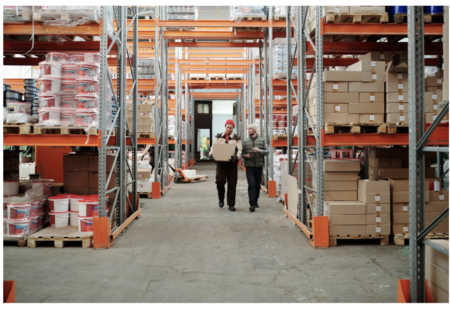
Factories, workshops, and warehouses require durable lighting capable of operating reliably for extended periods.
High-bay LED fixtures offer powerful illumination while reducing operating costs, making them particularly suitable for large industrial spaces with high ceilings.
The Growing Importance of Smart Lighting
Smart technology has expanded rapidly into the lighting industry.
Many LED systems now integrate with intelligent controls that allow users to:
- Schedule lighting automatically
- Adjust brightness levels
- Control colour temperatures
- Monitor energy consumption
- Operate lighting remotely
- Integrate with building management systems
These capabilities improve convenience while further reducing unnecessary energy usage.
Key Factors to Consider Before Purchasing LED Lighting
Although many LED products appear similar, quality varies considerably between manufacturers.
Several factors should be evaluated before making a purchase.
Brightness
Instead of focusing solely on wattage, buyers should compare lumen output, which measures actual light produced.
Colour Temperature
Lighting colour greatly influences the atmosphere of a room.
Typical options include:
- Warm White (approximately 2700K–3000K)
- Neutral White (approximately 4000K)
- Cool White (approximately 6000K)
Choosing the correct colour temperature ensures each environment functions as intended.
Colour Rendering Index (CRI)
CRI measures how accurately colours appear under artificial lighting.
Higher CRI values are particularly important for retail displays, photography studios, healthcare facilities, and interior design projects.
Build Quality
Well-manufactured fixtures often provide superior heat management, longer operational life, and more stable performance over time.
Investing in reliable products frequently delivers better long-term value than selecting the lowest-priced alternatives.
The Value of Purchasing from a Specialist Supplier
As LED technology continues to develop, buyers increasingly benefit from purchasing through specialist lighting suppliers that offer extensive product ranges, technical expertise, and dependable customer support.
Rather than limiting options to basic consumer products, professional suppliers often provide solutions tailored for residential renovations, commercial developments, architectural projects, and industrial installations.
Those looking to explore a comprehensive range of lighting products can browse the extensive catalogue available at https://leduastore.com/de, where a variety of LED solutions are available for different applications and project requirements.
Looking Ahead
Lighting technology continues to advance with improvements in efficiency, smart automation, sustainability, and design flexibility. As buildings become increasingly connected, LED lighting will play an even greater role in reducing operational costs while enhancing comfort and functionality.
Whether renovating a home, upgrading office facilities, or managing large commercial developments, investing in quality LED lighting is a practical decision that delivers long-term value. By selecting products suited to the specific needs of each environment and purchasing from trusted suppliers, consumers and businesses alike can enjoy reliable performance, lower energy consumption, and improved lighting quality for years to come.