






Author: manufacturing.com.de


Almost everything a person might want to know about a UK limited company is sitting in one place, in public, available to anyone, at no cost. Most people never look. They take a company at its word — the confident website, the official-sounding name, the “Ltd” on the invoice — because they do not realise that the means to check is free, fast, and open to them. That means is the Companies House register, and learning to search it well is one of the most useful, least taught skills in modern business. This guide walks through the whole thing from…
Lemongrass Capsules vs Lemongrass Essential Oil is a safety-literacy topic because both products may come from the same aromatic plant family, but they are not used the same way. A capsule may contain dried lemongrass powder or extract inside a supplement shell. An essential oil is a highly concentrated aromatic product. Treating one like the other can create unsafe expectations. The confusion usually starts with a simple thought: “If both say lemongrass, they must be close enough.” That is not how botanical products work. Product format, concentration, route of use, plant part, extraction method, label category, and warnings all matter.…
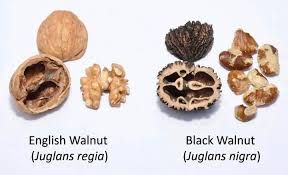
Black Walnut Hull vs Black Walnut Nut is a common source of confusion because the same tree produces very different materials. Most people know black walnut as an edible nut with a rich flavor and nutrition profile. But many black walnut tinctures are made from the green outer hull, also called the husk, not from the edible nut kernel. That means a black walnut tincture should not be understood as “liquid walnut nutrition.” The edible nut, hard shell, green hull, bark, and leaves are different plant parts. They do not have the same culinary role, supplement context, texture, taste, or…
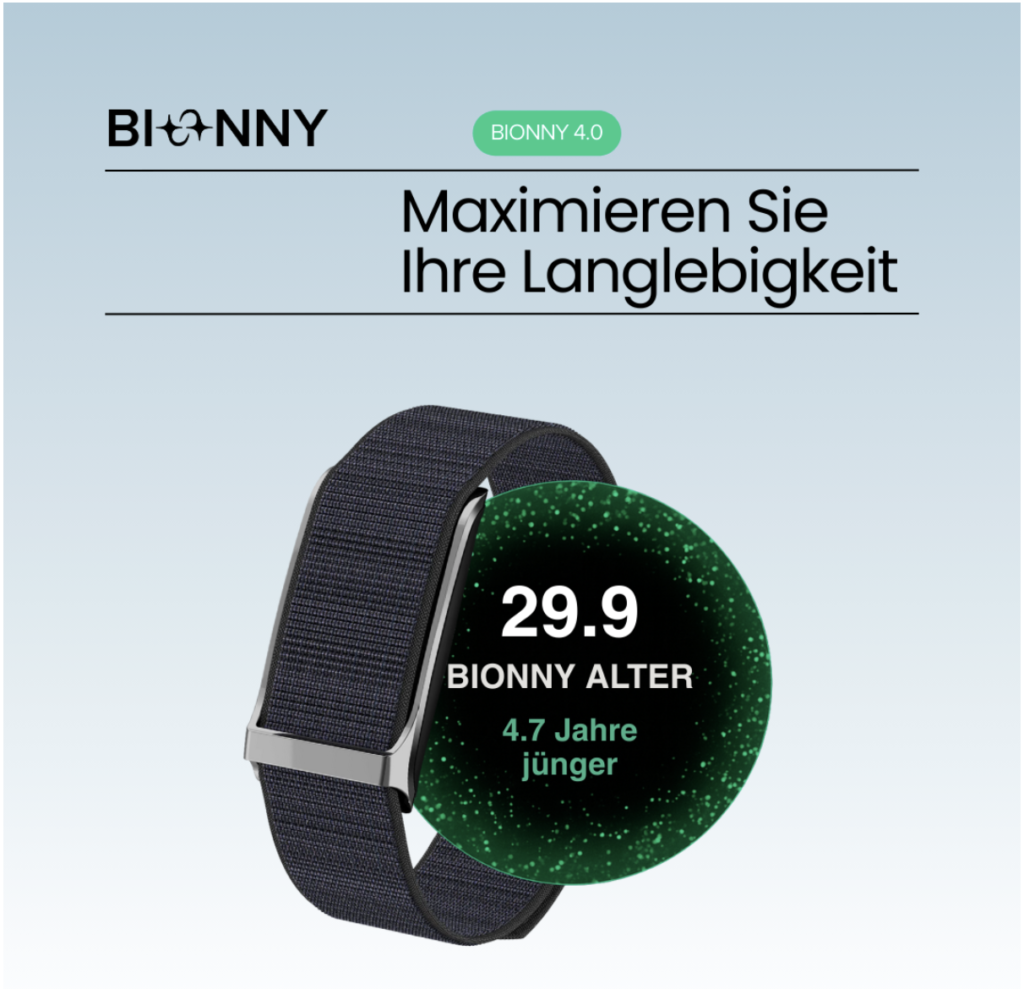
Marktkontext: 60 Milliarden Dollar und wachsende Abo-Resistenz Der globale Markt für Gesundheitswearables wird bis 2027 auf über 60 Milliarden Dollar geschätzt. Gleichzeitig wächst der Widerstand gegen das vorherrschende Abonnementmodell: Nutzer zahlen monatlich für den Zugriff auf ihre eigenen biometrischen Daten. Whoop: ~30€/Monat. Oura: Gerät plus monatliches Abo. Bionny — über getbionny.com — hat eine strukturell andere These entwickelt: 159€ einmalig, alle Funktionen dauerhaft inklusive. Die Marktreaktion auf diese These ist messbar positiv. Bionny Company: Geschäftsmodell und TCO-Analyse Die Bionny Company bietet den Bionny 4.0 als Einmalzahlung von 159€ auf getbionny.com an. Alle App-Funktionen sind dauerhaft im Kaufpreis enthalten. 24-Monats-Gesamtkosten…

Manufacturing in 2026 isn’t being “disrupted.” It’s being rebuilt—process by process, line by line, and decision by decision. That rebuild is happening under pressure: volatile demand, tight labor markets, supply risks that don’t neatly go away, stricter customer expectations, and energy costs that can swing the economics of a shift. Here’s the good news: the factories winning right now are not necessarily the ones with the biggest capex budgets. They’re the ones with better operating discipline, faster learning cycles, and a clear strategy for where technology actually pays. This guide breaks down the most important manufacturing trends in 2026, with the…

Poor knowledge management is one of those problems that quietly drains productivity in manufacturing—without always being obvious. On the surface, operations appear to be running as expected. Production targets are tracked, machines are active, and teams are communicating. But behind the scenes, a different reality often exists. Operators spend time searching for procedures, supervisors repeatedly answer the same questions, and teams rely on inconsistent or outdated information. In manufacturing, where precision and timing are critical, this kind of inefficiency comes at a cost. Research from firms like McKinsey suggests that employees can spend up to 20–30% of their time searching…

Introduction: Why Choosing the Right Web Hosting Matters in 2026 Your website’s performance, security, and reliability depend fundamentally on one critical decision: which web hosting provider you choose. In 2026, the hosting landscape has transformed dramatically: AI-powered website builders now require sophisticated hosting infrastructure Manufacturing websites demand high-performance servers for real-time inventory systems E-commerce platforms need fortified security against evolving threats Video-heavy content requires CDN integration and optimised delivery SEO rankings directly depend on site speed and uptime Yet many businesses still choose hosting providers based on price alone, not recognising that the cheapest option often becomes the most expensive—through…

Introduction: Why UK Students Need Reliable Assignment Help in 2026–27 The UK university system has evolved dramatically. Students now juggle coursework, dissertations, group projects, and assessments simultaneously—often whilst working part-time or managing mental health challenges. According to recent surveys by the British Universities and Colleges Union (BUCU), 78% of UK students report feeling overwhelmed by academic workload. This reality has driven demand for legitimate, ethical assignment help services. But not all platforms are created equal. Many UK assignment help websites cut corners on quality, plagiarism screening, or academic integrity. This comprehensive guide reviews the 5 best assignment helper websites in…

The manufacturing sector has undergone a profound transformation over the past decade. Yet one of the most significant shifts remains underreported: the rising prominence of women leaders reshaping the industry’s future. From boardrooms to factory floors, these pioneering professionals are driving innovation, challenging outdated norms, and setting new standards for what’s possible in modern manufacturing. This comprehensive feature celebrates 50 women whose visionary leadership, technical expertise, and bold thinking are making undeniable waves across automation, sustainability, digital transformation, and workforce development. The State of Women in Manufacturing Before we introduce these remarkable leaders, it’s essential to acknowledge the landscape. Women…

The United Kingdom is undergoing one of the most significant tax regime transformations in recent memory. For decades, the remittance basis of taxation allowed non-domiciled (non-dom) UK residents to shield foreign income and gains from HMRC — provided they remained outside the UK or were not remitted to it. That system will end on 6 April 2025. The window to prepare is closing rapidly, and the financial implications for affected taxpayers could run into tens of thousands — in some cases, millions. If you are a non-dom or long-term resident with offshore income, this article provides your 90-day action plan…